The Best Time to Visit Paris for Fashion Lovers
Fashion weeks, couture weeks, museum calendars, sales periods and weather: when to come to Paris if fashion is the reason for the trip.
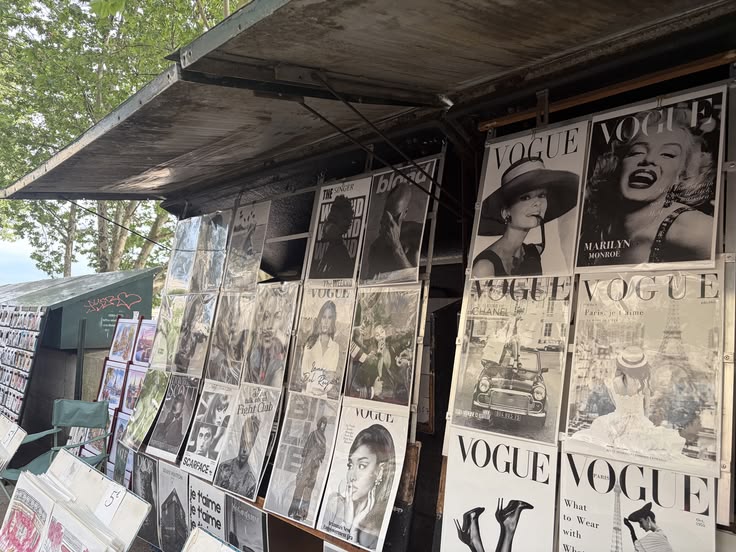
The right month to visit Paris depends entirely on what you want from the city. For fashion, the calendar is unusually structured, and choosing badly means arriving during the two weeks when everything interesting is closed to the public.
The fashion calendar, plainly
Haute couture weeks run in late January and early July. These are the smallest and most exclusive shows, presenting made-to-order collections to private clients and press.
Ready-to-wear weeks run in late February to early March, and again in late September to early October. These are far larger and dominate the city while they run.
The critical thing for a visitor to understand is that none of this is open to the public. Shows are invitation-only. There is no ticket. What you gain during fashion week is atmosphere, street style outside venues and a city full of the industry. What you lose is hotel availability, restaurant tables and any sense of calm.
If you are not attending shows, fashion week is the worst time to visit for fashion, not the best.
The genuinely good months
May and June are the strongest overall. The weather is reliable without being oppressive, museum programming is in full swing, daylight runs late into the evening, and the city has not yet emptied for August.
September, before ready-to-wear week begins, is the second-best window. Parisians have returned, cultural programming restarts with the rentrée, and the light is excellent.
Late April is underrated. Fewer visitors than May, and the gardens have turned.
The months to avoid
August empties. A significant proportion of independent shops, vintage dealers and restaurants close for two to four weeks. The city belongs almost entirely to tourists, and the specialists you might want to meet are on the coast.
Late July is hot and increasingly uncomfortable, and Paris housing is not built for it.
Mid-February is grey, wet and short on daylight, though it is genuinely cheap.
The sales, and why they are fixed
France regulates discounting. National sale periods, the soldes, are set by law and run for roughly four weeks each: one starting in early January, one starting in late June.
Outside those windows, deep discounting in the main stores is restricted. This is why the same jacket carries the same price in October everywhere you look.
For vintage and secondhand, none of this applies. Those prices move with the dealer, not the calendar.
Weekly rhythms that catch visitors out
Many independent vintage dealers close Sunday and Monday, or open only in the afternoon. The Saint-Ouen flea market runs roughly Saturday to Monday and is largely shut midweek, which is the reverse of what most visitors assume.
Museums have fixed closing days that differ between institutions. Check each one individually rather than assuming a shared schedule.
Booking practicalities
During the four fashion weeks, hotel rates in the central arrondissements rise sharply and availability collapses. If your dates are flexible, move either side of them.
Small-group tours and museum slots in May, June and September should be booked several weeks ahead. In January and November you can often book a few days out.
Planning around a tour
Our fashion history walking tours run through most of the year, in English and French, in small groups, led by a Sorbonne-trained historian.
If you are choosing dates, the shoulder months give you the best combination of weather, open shops and available places.
Current availability is listed here.
Mademoiselle C
Author