Le Marais for Fashion Lovers: A Street-by-Street Guide
Which streets in Le Marais are worth your time, where the good vintage actually sits, and how the district became a fashion neighbourhood at all.
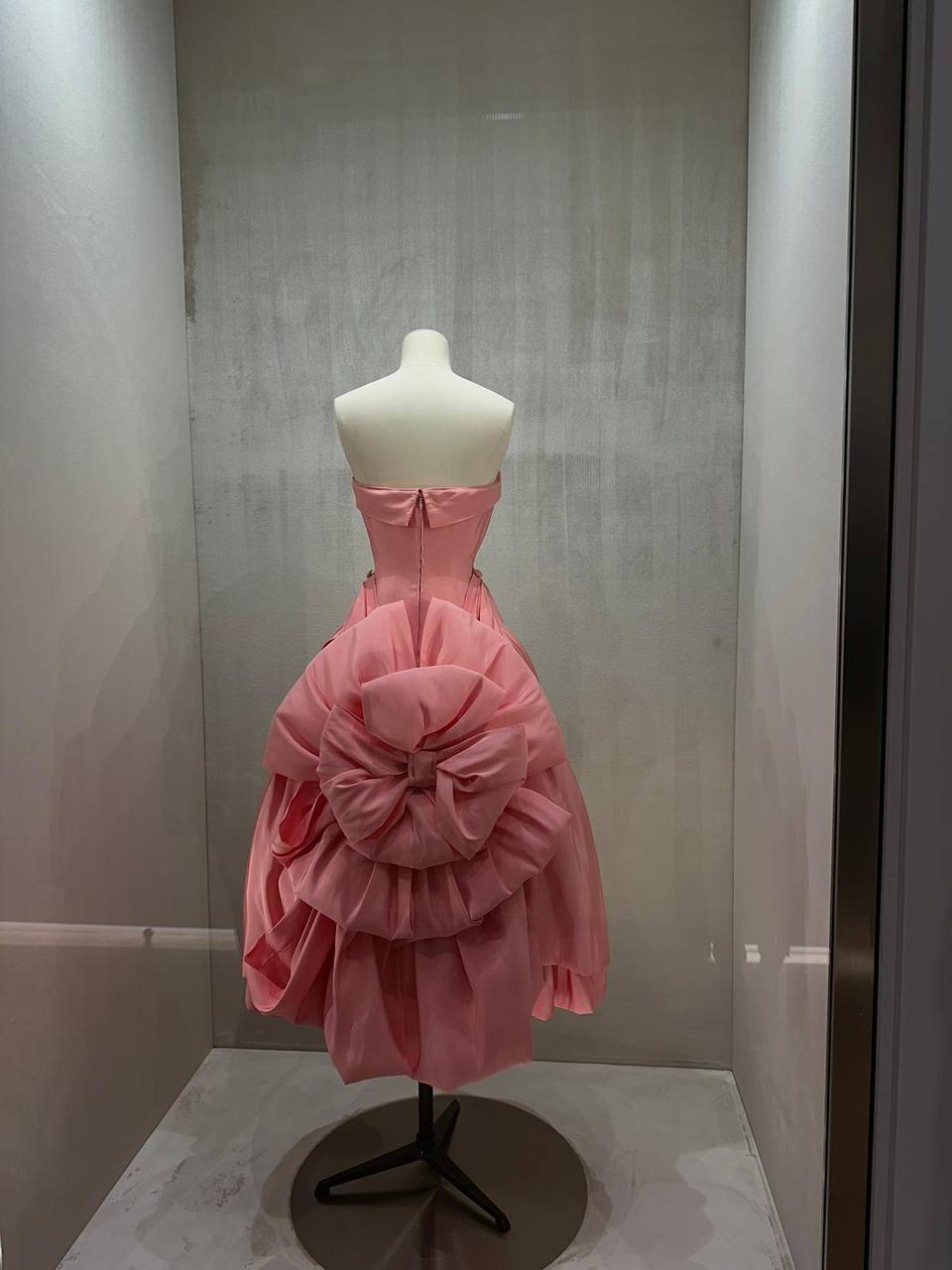
Le Marais is the district every guide recommends to fashion-minded visitors, and the recommendation is correct but imprecise. The area is large, its two halves behave completely differently, and the most-photographed streets are frequently the least rewarding.
How it became a fashion district
The Marais was aristocratic in the seventeenth century, industrial and heavily Jewish by the nineteenth, and semi-derelict by the mid-twentieth. Large parts were scheduled for demolition.
It survived because of a 1962 preservation law that protected the historic fabric rather than clearing it. The consequence was a district full of intact seventeenth-century hôtels particuliers with low rents, which attracted galleries, then designers, then boutiques.
The fashion presence is therefore recent — essentially from the 1980s onward — and it sits inside architecture that is four hundred years older.
The southern Marais: handsome, but read it carefully
The area closer to the Rue de Rivoli and the Rue des Francs-Bourgeois is the most visited and the most commercially converted.
It is genuinely beautiful, and the Place des Vosges is worth crossing regardless of why you came. But the retail has largely shifted to mainstream brands operating in a vintage-adjacent aesthetic, and several shops presenting as vintage are selling recent secondhand or outright reproduction at archival prices.
This is where most disappointed vintage shopping happens.
A shop with consistent sizing, consistent condition and no smell of old fabric is not selling vintage.
The northern Marais: where the dealers are
Cross north of the Rue des Quatre-Fils and the character changes. The Rue Charlot, the Rue de Turenne, the Rue de Poitou and the surrounding streets of the Haut Marais hold the serious independent operators.
Smaller shops, tighter curation, owners who can date a garment from its construction rather than its label. Prices are frequently higher than the tourist streets, and correctly so.
This is also where the contemporary independent designers cluster, alongside concept stores that genuinely buy rather than simply stock.
The Rue Vieille du Temple as the spine
Running north-south through both halves, the Rue Vieille du Temple is the most useful single street to walk because it passes through the transition. Start at the southern end and continue north, and you will feel the retail change character within fifteen minutes.
Practical rhythms
The Marais is one of the few districts in Paris where a substantial number of shops open on Sunday, a legacy of the Jewish quarter around the Rue des Rosiers where Saturday was the traditional closing day.
The corollary is that many independent dealers close Monday, and some open only from early afternoon on other days.
Sunday is consequently the busiest day and the least pleasant for actually looking at anything.
What else is here
The Musée Carnavalet, covering the history of Paris, is free for its permanent collection and includes substantial material on dress and daily life. It is chronically under-visited relative to its quality.
The Musée Picasso and a dense concentration of contemporary galleries sit within the same walking radius.
Where the Marais fits in the larger picture
The Marais is where fashion is sold and worn. It is not where the couture system was built. That happened three kilometres west, on the Rue de la Paix, the Rue Cambon and Avenue Montaigne, in buildings that carry no markings at all.
Our fashion history walking tours of Paris cover that ground with a Sorbonne-trained historian, in small groups, in English or French, explaining what happened inside each address.
Current dates are listed here.
Mademoiselle C
Author