Where to Find Vintage Fashion in Paris: A Neighbourhood Guide
Le Marais, Saint-Ouen, Saint-Germain and the Canal: where to actually find good vintage in Paris, what to pay, and how to spot a reproduction.
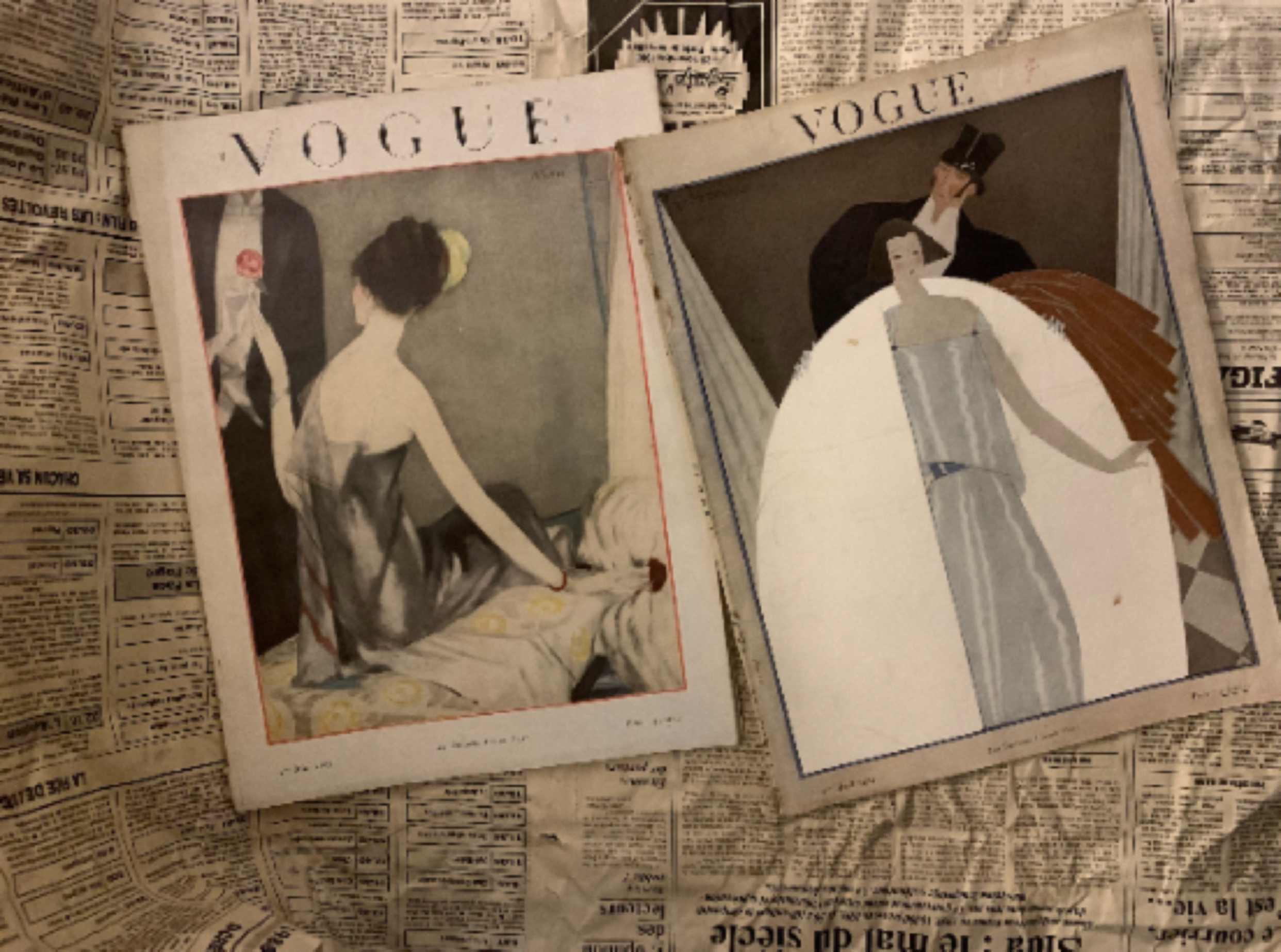
Paris has a reputation for vintage that is only partly deserved. The city genuinely holds extraordinary pieces, but they are not evenly distributed, and the most visible shops are frequently the least rewarding. This is a guide to where the good material actually sits.
Le Marais: good, but read it carefully
The Marais is where every guide sends visitors, and the recommendation is not wrong — it is just imprecise.
The southern Marais, closer to the Rue de Rivoli, has largely converted to mainstream retail with a vintage aesthetic rather than genuine vintage stock. Plenty of reproduction, plenty of recent secondhand priced as though it were archival.
The northern end, around the Rue de Turenne, the Rue Charlot and the streets feeding into the Haut Marais, is where the serious dealers remain. Smaller shops, tighter curation, owners who can tell you the decade and the construction method without checking a label.
A dealer who cannot date a garment from its seams is selling secondhand clothing, not vintage.
Saint-Ouen: where the real archive moves
The flea market at Porte de Clignancourt is the largest antiques market in the world, and the fashion sits mostly in two of its halls: the Marché Dauphine and the Marché Serpette.
This is where stylists, collectors and design studios buy. Couture pieces with house labels surface here regularly, as do textiles, accessories and the kind of unglamorous but historically important workwear that museums now compete for.
Go early. Go Friday or Monday if your schedule allows, when dealers are unpacking and less besieged. Bring cash, and accept that correctly identified couture is priced as couture. A genuine 1960s Courrèges or Cardin piece is not a bargain, and a stall pricing one as though it were should make you suspicious rather than excited.
Saint-Germain and the consignment tradition
The left bank operates differently. Rather than flea market discovery, the sixth and seventh arrondissements run on dépôt-vente — consignment shops where Parisian women sell on their own wardrobes.
This is the best route to excellent condition pieces from the last two or three decades: structured jackets, good leather, quality knitwear, handbags with provenance. Less archival, far more wearable, and the condition is generally superior because the previous owner stored it properly.
Canal Saint-Martin and the eleventh
The area around the canal and the Rue de Charonne holds a younger, more affordable layer. Denim, band merchandise, eighties and nineties pieces, workwear. Prices are considerably softer and the turnover is faster.
If you are building a wardrobe rather than a collection, start here.
How to tell what you are holding
The reliable signals are structural rather than visual.
Look at the seams. Pre-1970s couture and quality ready-to-wear will typically show hand-finishing at the hem and armhole, generous seam allowances left for alteration, and bound or overcast edges rather than modern overlocking.
Look at the fastenings. Metal zips with a fabric tape suggest pre-1970s. Plastic moulded zips place a garment considerably later. Weighted chain at a jacket hem is a strong construction signal.
Look at the label and the care instructions. Standardised international care symbols only became widespread from the early 1970s onwards. A garment claiming to be from the 1950s with a modern washing symbol is not from the 1950s.
And check the fabric against the claim. Jersey, gabardine, bouclé and duchesse satin behave in specific ways. A synthetic imitating bouclé announces itself immediately by weight and drape.
Practical notes
Most independent vintage dealers in Paris close on Sunday or Monday, and many keep short afternoon hours. Saint-Ouen runs Saturday through Monday and is largely closed midweek. Almost nowhere accepts returns.
Bring a tape measure and know your own measurements in centimetres. Vintage sizing bears no relationship to modern sizing, and a garment labelled 40 from 1962 will not fit like a 40 today.
Learning to read the clothes
Everything above can be learned by handling enough garments over enough years. The faster route is to walk the city with someone who already has.
Our fashion history tours in Paris cover exactly this: how garments were constructed, how the houses and their suppliers worked, and how to read a piece rather than simply admire it. Small groups, English or French, led by a fashion historian.
Dates and availability are here.
Mademoiselle C
Author